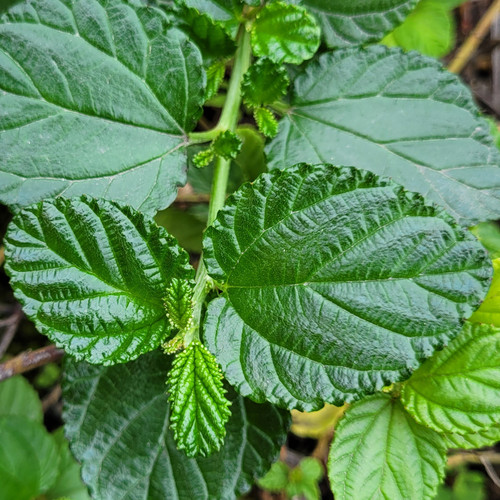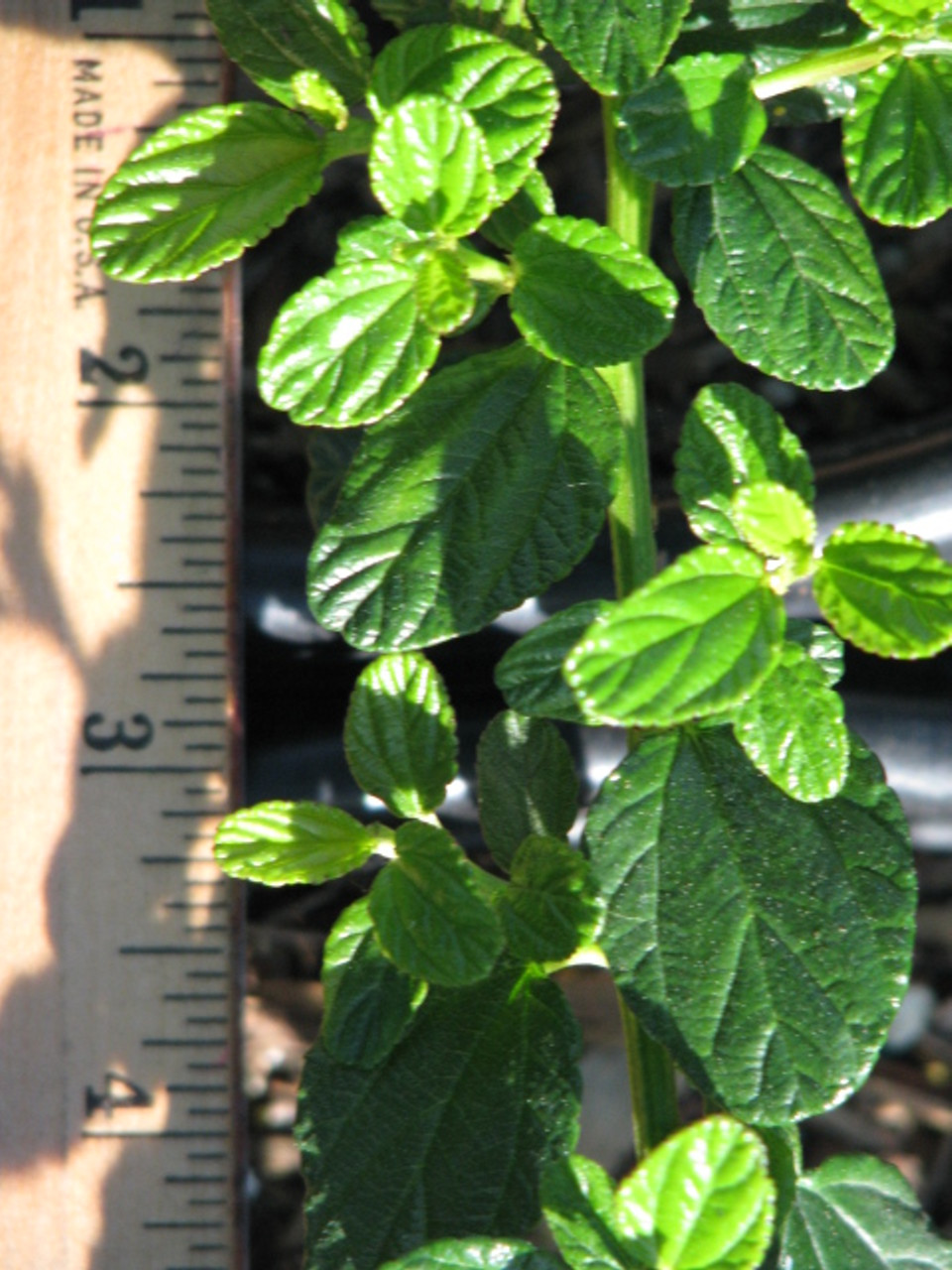


Ceanothus griseus var. horizontalis ‘Yankee Point’ (Wild Lilac Selection) is a vigorous California native evergreen shrub valued for its rapid growth, glossy deep green foliage, broad groundcover habit, and abundant lilac-blue spring flowers. This durable selection develops into a low mound with trailing stems that spread 8–12 feet, making it especially useful for slope stabilization, erosion control, and large-scale groundcover plantings. Its flowers attract bees, butterflies, and other pollinators. ‘Yankee Point’ performs best in full sun along the coast but needs protection from hot afternoon sun in inland Southern California. Although naturally sprawling, it can be lightly pruned after flowering to maintain a more uniform groundcover or low informal hedge.
Quick Facts:
Botanical Name: Ceanothus griseus var. horizontalis ‘Yankee Point’
Botanical Synonym: Ceanothus thyrsiflorus var. griseus ‘Yankee Point’
Common Name: Yankee Point Wild Lilac
Plant Type: California native evergreen shrub and groundcover
Mature Size: Approximately 2–3 feet tall and 8–12 feet wide
Exposure: Full sun along the coast; morning sun or partial shade inland
Water: Occasional to regular irrigation; allow the soil to drain between waterings
Soil: Well-drained soil
Bloom Season: Spring
Flower Color: Lilac blue
Foliage Color: Glossy deep green
Seasonality: Evergreen
Wildlife Value: Flowers attract bees, butterflies, and other pollinators
Growth Rate: Very fast in most situations
Origin: Cultivated selection of a California native species
California Native: Yes
Landscape Uses: Large-scale groundcover plantings, slopes, erosion control, hillside stabilization, banks, retaining walls, low informal hedges, coastal gardens, commercial landscapes, and water-wise landscapes
Habit & Size: ‘Yankee Point’ forms a broad, 2- to 3-foot-high mound with arching and trailing stems that spread 8–12 feet. Its glossy deep green leaves provide year-round coverage, while clusters of lilac-blue flowers create a showy spring display. The spreading branches can cover large areas or cascade over retaining walls and embankments. Because of its exceptional vigor and mature width, it should be given adequate room to develop without crowding adjacent plants, walkways, or structures.
Cultural Requirements: Ceanothus griseus var. horizontalis ‘Yankee Point’ performs best in well-drained soil. It prefers full sun in coastal climates but needs afternoon shade or protection from intense heat in inland gardens. For the best results in inland Southern California, establish plants during the cooler months of fall through early spring so roots can develop before summer heat arrives. ‘Yankee Point’ prefers occasional to regular irrigation. Water deeply, allow the soil to drain between irrigations, and avoid conditions that keep the root zone continuously wet. Irrigation frequency should be adjusted for climate, exposure, soil, and establishment.
Landscape Uses: ‘Yankee Point’ is particularly effective as a California native groundcover for large slopes, banks, erosion-control projects, retaining walls, coastal gardens, and expansive residential or commercial landscapes. Its vigorous spreading habit provides broad evergreen coverage, while its spring flowers add seasonal color and support pollinators. Plants may also be lightly clipped to create a more uniform groundcover or maintained as a low informal hedge. Its substantial mature spread makes it less appropriate for small spaces unless regular maintenance is planned.
Identification Note: ‘Yankee Point’ is distinguished by its low, broad, and exceptionally vigorous growth habit, glossy deep green foliage, trailing stems, and clusters of lilac-blue spring flowers. Compared with more upright California lilac selections, it is especially well suited to groundcover applications, slopes, banks, and cascading plantings. This plant may also be listed under the botanical synonym Ceanothus thyrsiflorus var. griseus ‘Yankee Point’.
Pests and Cultural Considerations: ‘Yankee Point’ can be susceptible to mealybugs and Ceanothus leaf gall. Mealybug infestations may severely weaken or kill affected plants, so early identification and prompt treatment are important. Appropriate exposure, good air circulation, well-drained soil, and careful irrigation help support healthier growth. Light pruning after flowering can control spread and encourage a denser, more uniform form. Prune younger growth rather than cutting deeply into older woody branches, which may not recover reliably. Avoid late-winter pruning because it can remove developing flower buds and reduce the spring display. Ceanothus may be browsed by deer and should not be considered reliably deer resistant.
Frequently Asked Questions:
How far apart should ‘Yankee Point’ Ceanothus be planted? Spacing should account for its mature spread of approximately 8–12 feet and the desired rate of coverage. In large-scale groundcover plantings, plants may be spaced approximately 6–10 feet apart. Closer spacing creates faster coverage but can result in crowding and additional pruning as the plants mature.
Can ‘Yankee Point’ tolerate coastal conditions? Yes. ‘Yankee Point’ is particularly well suited to coastal California landscapes, where it can generally grow in full sun with less heat stress than it experiences inland. It is useful on coastal slopes, banks, and other open sites with well-drained soil.
Is ‘Yankee Point’ suitable for small residential gardens? Usually not unless there is adequate room for its mature spread or regular pruning is planned. A single plant can spread 8–12 feet and may overwhelm narrow planting beds, pathways, small courtyards, or neighboring plants. A more compact Ceanothus selection may be preferable where space is limited.
Can ‘Yankee Point’ be planted near a lawn or other frequently irrigated plants? It is generally better placed in a separate irrigation zone with plants that have similar water and drainage requirements. Frequent, shallow lawn irrigation may keep the root zone wetter than is appropriate, particularly in heavy or slowly draining soil.
Does ‘Yankee Point’ tolerate heavy clay soil? It may struggle in heavy clay that drains slowly or remains wet for extended periods. Planting on a slope, berm, or raised area may improve drainage, but locations where water collects or the soil remains saturated should be avoided.
Can people walk on ‘Yankee Point’ like a traditional groundcover? No. Although it functions as a large-scale groundcover, ‘Yankee Point’ is a woody shrub and does not tolerate regular foot traffic. It should be planted away from frequently used walkways and other areas where people are likely to step on it.
Will ‘Yankee Point’ root where its branches touch the soil? Trailing branches may occasionally develop roots where they remain in contact with suitable soil. This can help the plant expand across slopes and banks, although rooting will vary depending on soil moisture, drainage, and other site conditions.
Can ‘Yankee Point’ be grown in a container? It is not generally recommended as a long-term container plant because of its rapid growth and 8- to 12-foot mature spread. It may be grown temporarily in a large container, but it performs best in the ground where its roots and trailing branches have room to expand.
Why is my ‘Yankee Point’ Ceanothus not flowering heavily? Limited flowering may result from excessive shade or pruning at the wrong time. Because its flower buds develop before the spring bloom, pruning during late winter may remove developing buds. Plants generally flower best with adequate sunlight and when necessary pruning is completed shortly after flowering.
What does Ceanothus leaf gall look like? Ceanothus leaf gall produces swollen, thickened, curled, or otherwise distorted growth on affected leaves or shoots. Mild infestations may be primarily cosmetic, but affected plants should be monitored for extensive damage or other signs of stress.
What are the early signs of mealybugs on ‘Yankee Point’? Look for white, cottony clusters on stems, at leaf joints, or beneath the foliage. Sticky residue, black sooty mold, yellowing leaves, and declining growth may also indicate an infestation. Early detection and prompt management are important because severe mealybug infestations can seriously weaken or kill this cultivar.
Why might an established ‘Yankee Point’ suddenly decline? Potential causes include poor drainage, excessive irrigation, intense inland heat without afternoon protection, or a severe mealybug infestation. Checking soil moisture, drainage, sun exposure, irrigation frequency, and the stems and foliage for pests can help identify the cause.
- Common Name:
- Wild Lilac Selection
- Mature Height:
- 2-3'
- Mature Spread:
- 8-12'
- Exposure:
- Sun/Partial Sun
- Growth:
- Evergreen
- Flower Color:
- Blue
- Foliage Color:
- Green
- Flower Time:
- Spring