Salvia apiana (White Sage) is one of Southern California’s most recognizable native shrubs, valued for its silvery-white foliage, strong aromatic fragrance, spring flower stalks, ecological importance, and cultural significance. Native to Southern California and northern Baja California, it occurs primarily in coastal sage scrub, chaparral, and related dry shrubland communities. White Sage has long held cultural importance for many Indigenous peoples of Southern California and Baja California. Once established, Salvia apiana is highly drought tolerant and usually performs best with little to no supplemental summer irrigation when planted in full sun and exceptionally well-drained soil.
Quick Facts:
Botanical Name: Salvia apiana
Common Name: White Sage
Plant Type: California native shrub
Mature Size: Approximately 3–5 feet tall and wide
Exposure: Full sun to part sun
Water: Very low once established; avoid frequent summer irrigation
Soil: Exceptionally well-drained soil required
Bloom Season: Spring
Flower Color: White to pale lavender-white
Foliage Color: Gray-white to silvery-white
Seasonality: Evergreen to summer-deciduous or partially summer-dormant depending on site conditions
Wildlife Value: Flowers support native bees, butterflies, hummingbirds, and other pollinators
Origin: Southern California and northern Baja California
California Native: Yes
Landscape Uses: California native gardens, habitat restoration, coastal sage scrub plantings, chaparral plantings, slopes, pollinator gardens, dry gardens, and water-wise landscapes
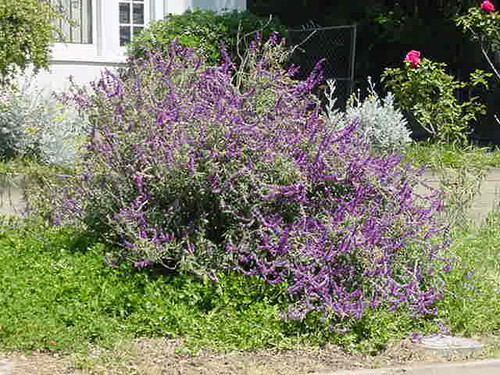
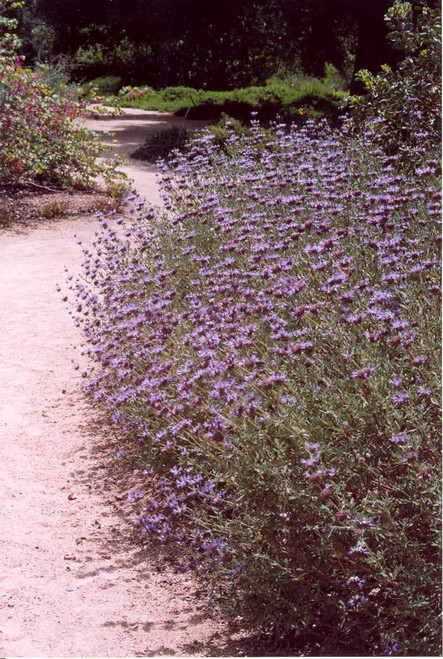
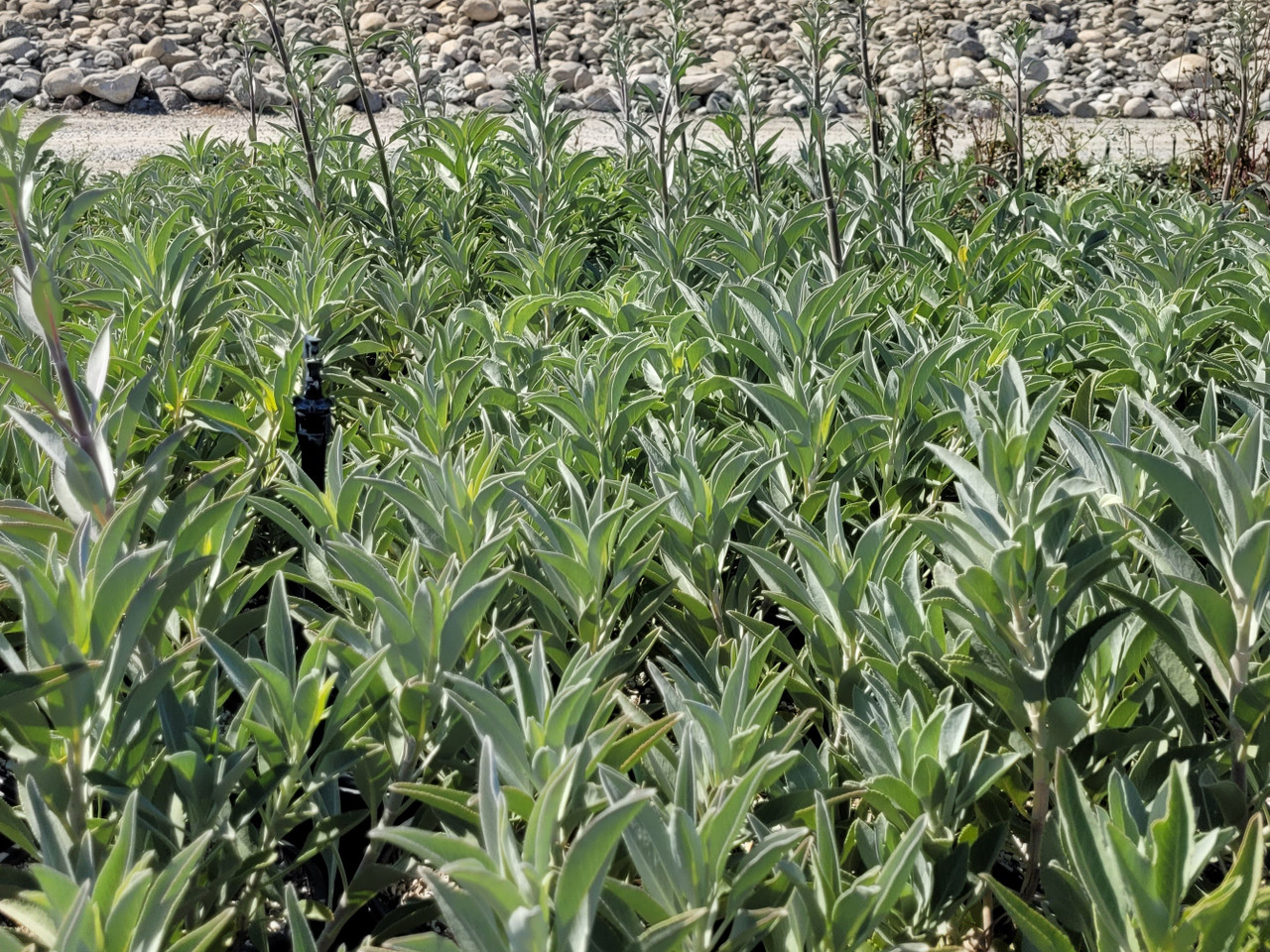
Habit & Size: White Sage forms an upright, rounded shrub typically reaching 3–5 feet tall and wide. Broad, gray-white leaves covered with fine hairs provide strong foliage contrast and release a distinctive resinous fragrance when brushed or crushed. In spring, tall flower stalks rise well above the foliage and carry whorls of white to pale lavender-white flowers. The flowers are highly attractive to native bees, butterflies, hummingbirds, and other pollinators.
Cultural Requirements: Salvia apiana performs best in full sun to part sun and requires excellent drainage. Once established, it is highly drought tolerant and generally performs best with little to no supplemental summer irrigation. Excessive summer watering, slow drainage, or heavy soils that remain wet can lead to root rot and premature decline. During establishment, water deeply but allow soil to dry between irrigations. In mature plantings, deep but infrequent irrigation may be used during extended drought, but frequent watering should be avoided. Annual pruning after flowering, in late summer, or in early fall can encourage fresh growth and help maintain a cleaner, more compact form. Avoid severe pruning into old woody stems.
Landscape Uses: White Sage is useful in California native landscapes, habitat restoration projects, coastal sage scrub plantings, chaparral gardens, pollinator gardens, slopes, dry borders, and water-wise landscapes. Its silvery foliage provides strong contrast with green-leaved shrubs and drought-adapted perennials, while its spring flowers support pollinators. Because of its cultural importance and pressure on wild populations, nursery-grown White Sage is especially appropriate for landscapes where the goal is to support native plant use without contributing to wild harvesting.
Identification Note: Salvia apiana is distinguished by its broad gray-white leaves, strong resinous fragrance, upright shrubby habit, and tall spring flower stalks bearing whorls of white to pale lavender-white flowers. It is one of the most distinctive native sages in Southern California.
Pests and Cultural Considerations: White Sage is generally free of significant pest and disease problems when planted in full sun with excellent drainage and limited summer irrigation. The most common causes of failure are excessive irrigation, poor drainage, and planting into heavy soils without adequate drainage improvement. Plants may become open or woody with age; light annual pruning after flowering or in late summer to early fall helps encourage healthy new growth. Deer resistance is moderate because the foliage is strongly aromatic, but young plants may still be browsed where deer pressure is high.
Frequently Asked Questions:
Is Salvia apiana native to California? Yes. White Sage is native to Southern California and northern Baja California, where it occurs in coastal sage scrub, chaparral, and related dry shrubland communities.
Is White Sage culturally significant? Yes. White Sage has long held cultural significance for many Indigenous peoples of Southern California and Baja California. Because wild populations have been affected by overharvesting in some areas, nursery-grown plants are the appropriate source for landscape use.
Is White Sage evergreen? It is often evergreen in favorable conditions, but it may become summer-deciduous or partially summer-dormant during heat, drought, or low-water conditions. This seasonal response is normal for many dry-adapted Southern California native shrubs.
Is White Sage drought tolerant? Yes. Once established, White Sage is highly drought tolerant and often performs best with little to no supplemental summer irrigation.
Does White Sage attract pollinators? Yes. Its spring flowers provide nectar for native bees, butterflies, hummingbirds, and other beneficial pollinators.
Can White Sage grow in clay soil? White Sage requires excellent drainage and generally does not perform well in heavy clay soils unless drainage is significantly improved. Slopes, raised planting areas, decomposed granite, sandy soils, and other fast-draining conditions are preferred.
When should White Sage be pruned? Light annual pruning after flowering, in late summer, or in early fall can encourage fresh growth and help maintain shape. Avoid severe pruning into old woody stems. And avoid pruning in the heat of the summer.
Is White Sage deer resistant? White Sage is considered moderately deer resistant because of its highly aromatic foliage, although deer may browse young plants or feed during periods of limited forage.
How much summer water does White Sage need? Very little once established. Frequent summer irrigation can shorten the life of the plant, especially in slow-draining soils.
Is White Sage appropriate for restoration projects? Yes. It is a valuable species for coastal sage scrub, chaparral, slope, habitat, and pollinator-oriented restoration projects within appropriate parts of its native range.
- Common Name:
- White Sage
- Mature Height:
- 3-5'
- Mature Spread:
- 3-5'
- Exposure:
- Sun/Part Sun
- Growth:
- Summer Deciduous
- Flower Color:
- White
- Soil:
- Well drained required
- Foliage Color:
- Grey
- Flower Time:
- Spring