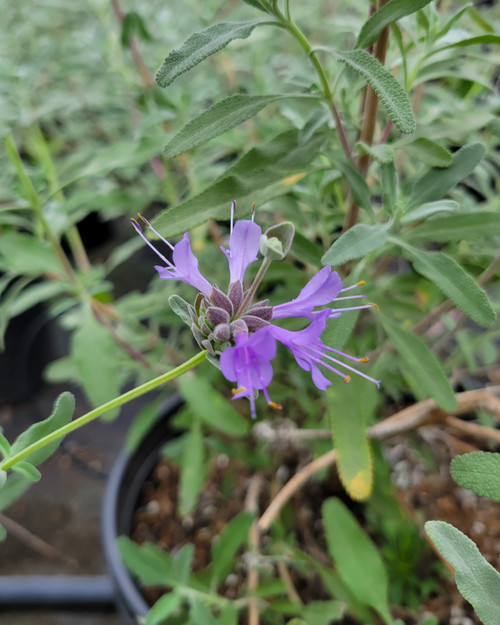
Keckiella antirrhinoides (Yellow Bush Snapdragon) is a drought-deciduous California native shrub found in chaparral, desert-edge, and pinyon-juniper woodland habitats of Southern California, Arizona, and adjacent Baja California. Formerly treated as Penstemon antirrhinoides, this species is grown for its yellow snapdragon-like flowers, green foliage, drought tolerance, and value in low-water Southern California landscapes.
Quick Facts:
Botanical Name: Keckiella antirrhinoides
Common Name: Yellow Bush Snapdragon, Yellow Bush Penstemon, Snapdragon Penstemon, Chaparral Beardtongue
Plant Type: California native shrub; drought-deciduous.
Mature Size: Approximately 3–5 feet tall and 2–3 feet wide.
Exposure: Sun to part sun.
Water: Low; occasional irrigation during establishment, then infrequent water once established.
Soil: Well-drained soil best.
Bloom Season: Early Spring.
Flower Color: Yellow.
Foliage Color: Green.
Wildlife Value: Attracts hummingbirds, bees, butterflies, and other pollinators.
Landscape Uses: California native gardens, chaparral plantings, dry slopes, habitat gardens, pollinator gardens, low-water landscapes, and naturalistic plantings.
Cultural Note: Summer Dormancy / Leaf Drop Is Normal especially during summer or during periods of drought
Habit & Size: Forms an open, drought-deciduous shrub approximately 3–5 feet tall and 2–3 feet wide, with spreading branches and small green leaves. Foliage may thin or drop during dry periods, especially after flowering or during extended summer drought. In spring, plants produce yellow, snapdragon-like flowers on branch tips. The flowers are attractive to hummingbirds, bees, butterflies, and other pollinators.
Cultural Requirements: Performs best in sun to part sun and requires well-drained soil. Once established, it is adapted to low-water conditions and should not be treated like a regularly irrigated ornamental shrub. Occasional deep irrigation during establishment is appropriate, but mature plants perform best with infrequent summer water and good drainage. In hotter inland locations, part sun or light shade can help maintain appearance. Avoid heavy soils that remain wet, frequent irrigation, and overly rich conditions.
Landscape Uses: Useful in California native gardens, chaparral plantings, dry slopes, habitat gardens, pollinator gardens, and low-water landscapes. Best used where seasonal change is acceptable, since plants may become sparse or partially leafless during dry periods. It combines well with other dry-adapted Southern California native shrubs and perennials such as Eriogonum fasciculatum, Salvia clevelandii cultivars, Artemisia californica, Encelia farinosa, Dudleya species, and native buckwheats.
Wholesale / Landscape Note: Keckiella antirrhinoides is best suited for native, habitat-oriented, slope, chaparral, and low-water projects where seasonal dormancy is understood. It is not recommended for high-irrigation commercial beds or formal landscapes requiring a consistently green summer appearance.
Identification Note: Distinguished by its yellow snapdragon-like flowers, small green leaves, and drought-deciduous habit. It was formerly placed in Penstemon and is still sometimes referred to as Yellow Bush Penstemon, Snapdragon Penstemon, or Chaparral Beardtongue. Unlike many commonly grown herbaceous penstemons, Keckiella antirrhinoides is a woody shrub and should be used accordingly in the landscape.
Pests and Cultural Considerations: Generally low maintenance when planted in well-drained soil with limited summer irrigation. Plants may drop leaves or look sparse during dry periods; this is a normal drought response rather than necessarily a sign of failure. Root and crown problems can develop where soils remain wet or irrigation is excessive. Light pruning after bloom can be used to shape plants and remove spent flowering stems, but heavy pruning into old wood should be avoided. Best performance is achieved with good drainage, low fertility, and irrigation practices that respect its drought-deciduous growth cycle.
Frequently Asked Questions:
Is Keckiella antirrhinoides native to California? Yes. Keckiella antirrhinoides is native to California and also occurs in Arizona and adjacent Baja California. In California, it is associated primarily with Southern California chaparral, desert-edge, and pinyon-juniper woodland habitats.
What is the common name for Keckiella antirrhinoides? The common name used by El Nativo Growers is Yellow Bush Snapdragon. It may also be encountered as Yellow Bush Penstemon, Snapdragon Penstemon, or Chaparral Beardtongue because the species was formerly placed in the genus Penstemon.
How large does Yellow Bush Snapdragon grow? Plants typically grow approximately 3–5 feet tall and 2–3 feet wide in landscape conditions.
Is Keckiella antirrhinoides evergreen? No. It is best treated as drought-deciduous. Plants may hold foliage during favorable conditions but often thin out or drop leaves during dry periods, especially after flowering or during summer drought.
What color are the flowers? The flowers are yellow and snapdragon-like, appearing primarily in spring.
Does Yellow Bush Snapdragon attract hummingbirds? Yes. The flowers attract hummingbirds as well as bees, butterflies, and other pollinators.
What exposure does it prefer? It performs best in sun to part sun. In hot inland landscapes, light shade or part sun can help improve appearance during summer heat.
How much water does Keckiella antirrhinoides need? It requires occasional irrigation during establishment but should receive infrequent water once established. Frequent summer irrigation can reduce longevity, especially in heavier soils. A common mistake is to irrigate more frequently once leaf drop and summer dormancy begins. This mistake can lead to mortality.
What soil does Yellow Bush Snapdragon need? Well-drained soil is best. Avoid poorly drained sites or areas that remain wet for extended periods.
How should it be used in the landscape? Use it in California native gardens, chaparral plantings, dry slopes, habitat gardens, pollinator gardens, and low-water landscapes where seasonal dormancy or summer thinning is acceptable.
Should it be pruned? Light pruning after flowering can help manage shape and remove spent stems. Avoid severe pruning into older woody growth.
- Common Name:
- Yellow Bush Snapdragon
- Mature Height:
- 3-5'
- Mature Spread:
- 2-3'
- Exposure:
- Sun/Part Sun
- Growth:
- Drought Deciduous
- Flower Color:
- Yellow
- Soil:
- Well drained best
- Foliage Color:
- Green
- Flower Time:
- Spring